
Our Products
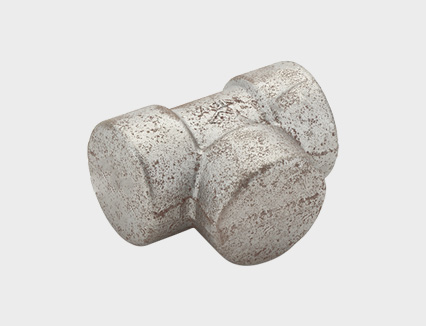
Tee
Where To Use
Used in piping and fluid flow systems to connect three pipes and allow direction change or distribution of liquid, gas, or air. Commonly used in plumbing, hydraulic lines, pneumatic systems and industrial pipelines.
Specification
Type: Tee Pipe Fitting
Material: Cast steel / forged steel (as per application)
Shape: T-shaped with three equal or unequal openings
Finish: Raw / machined / coated finish
Features: High strength, pressure-resistant, durable construction
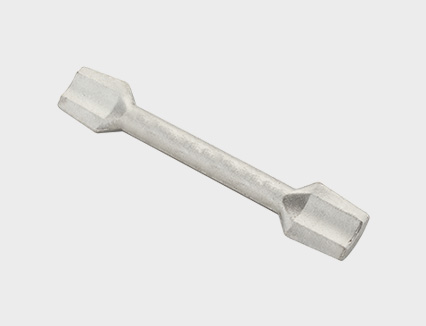
Fork
Where To Use
Used in automotive and industrial linkage systems to connect rods or shafts and transmit motion—commonly applied in clutch mechanisms, brake linkages, suspension assemblies and mechanical control systems.
Specification
Type: Fork / Yoke Component
Function: Connects and guides linkage or rod movement
Material: Cast or forged steel
Design: Solid body with forked ends for pin or joint connection
Features: High strength, wear resistant, durable under repetitive load
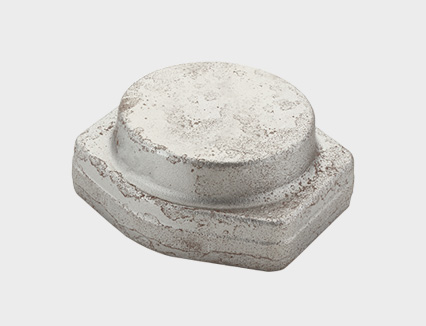
Square Bush
Where To Use
Used in automotive, industrial, and machinery assemblies to reduce friction between moving parts—commonly applied in suspension systems, linkages, shafts and rotating or sliding components
Specification
Type: Friction Bush / Square Bush
Function: Reduces wear and friction between metal components
Material: Cast iron or alloy steel
Design: Solid square base with cylindrical bush profile
Features: High wear resistance, load bearing, long service life
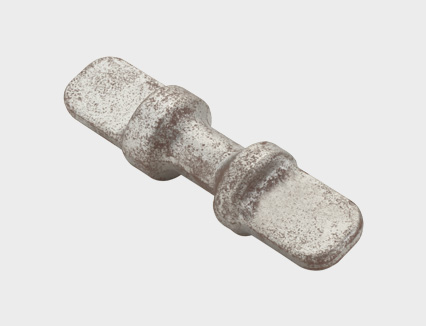
Double Step Pin
Where To Use
Used in automotive and industrial assemblies as a connecting or pivot pin—commonly applied in linkage systems, suspension parts, brake mechanisms and machinery joints where controlled movement is required.
Specification
Type: Double Step Pin
Function: Acts as a pivot or locating pin for aligned components
Material: Forged or machined high-strength steel
Design: Stepped cylindrical profile for precise fit in multiple components
Features: High shear strength, wear resistant, dimensionally accurate
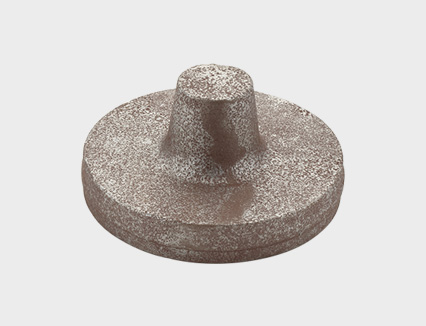
Flange
Where To Use
Used in automotive, industrial, and mechanical assemblies to support, locate, or mount rotating or fixed components—commonly applied in axle systems, shafts, hubs and machinery connections.
Specification
Type: Flange
Function: Provides mounting surface and load distribution
Material: Cast iron or forged steel
Design: Circular base with raised central boss
Features: High strength, dimensional stability, load bearing
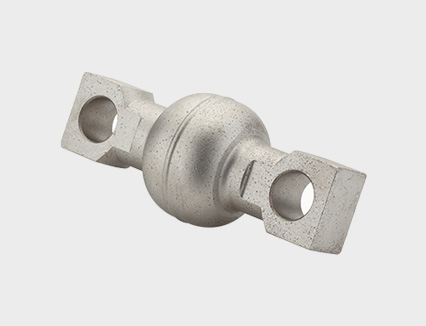
Bar Pin
Where To Use
Used in suspension and linkage systems to connect components and allow controlled articulation—commonly applied in automotive axles, shock absorber mounts and heavy-duty machinery joints.
Specification
Type: Bar Pin
Function: Acts as a mounting and pivot point
Material: Forged or cast high-strength steel
Design: Central cylindrical body with square ends and through holes
Features: High shear strength, vibration resistant, durable construction
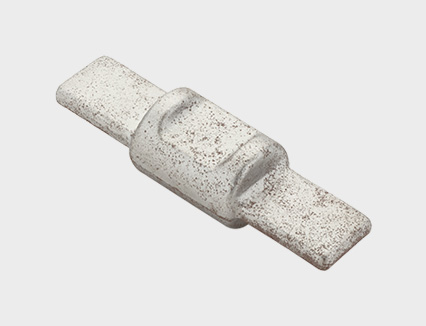
Inner Pin
Where To Use
Used inside mechanical linkages and assemblies to align, locate, and transmit load between moving or fixed components—commonly applied in suspension parts, couplings and heavy-duty machinery joints.
Specification
Type: Inner Pin
Function: Alignment and load-bearing pin
Material: High-strength forged steel
Design: Stepped profile with flat ends for secure fit
Features: High wear resistance, precise fit, durable construction
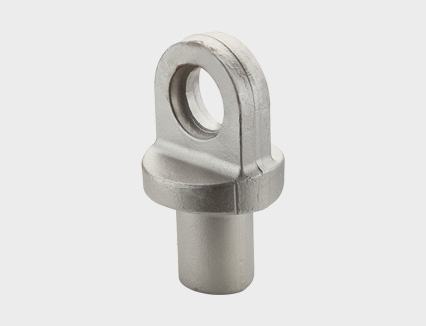
Hydraulic Jack Part
Where To Use
Used inside hydraulic jacks to connect moving components, transfer lifting force and ensure smooth and controlled operation during load lifting.
Specification
Type: Hydraulic Jack Link / Pin Component
Material: High-strength forged steel
Design: Eye-end with precision bore and cylindrical shank
Finish: Machined surface suitable for heavy-duty use
Features: High load-bearing capacity, wear resistance, durable under hydraulic pressure
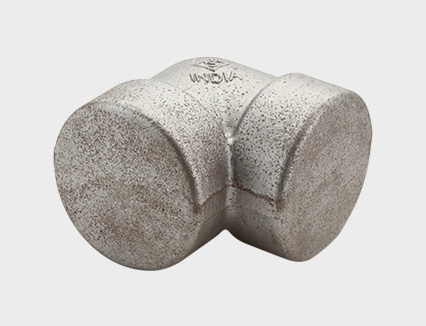
Elbow
Where To Use
Used in piping and pipeline systems to change the direction of flow at a 90° angle, commonly applied in plumbing, water supply, irrigation and industrial fluid lines.
Specification
Type: 90-degree pipe elbow
Function: Directional flow change
Material: Cast iron / forged metal (as applicable)
Connection: Female threaded ends
Features: Strong build, leak-resistant joint, corrosion-tolerant surface
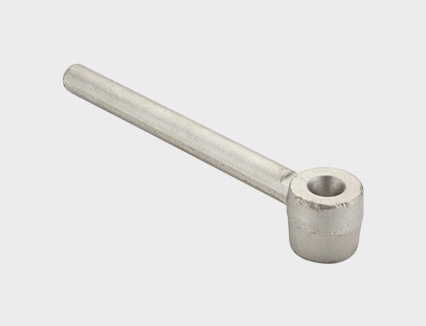
Tractor Tie Road
Where To Use
Used in the tractor steering system to connect steering arms and transmit steering movement to the front wheels, ensuring proper wheel alignment and smooth turning.
Specification
Made from high-strength steel / forged steel
Robust cylindrical rod with bush/eye end
Designed to withstand high load, vibration, and shock
Corrosion-resistant finish for long service life
Suitable for tractor front axle & steering linkage applications
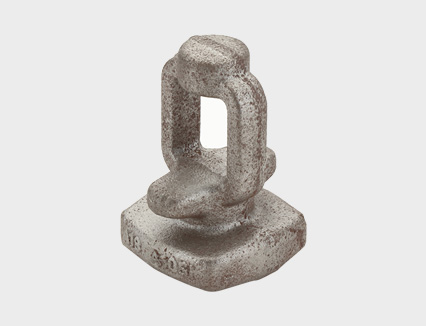
Bonnet
Where To Use
Used in the tractor body assembly to support, lock, or hinge the engine bonnet/hood, ensuring proper opening, closing and secure positioning.
Specification
Manufactured from heavy-duty cast / forged steel
Strong locking/hinge-type design for bonnet support
Resistant to vibration, heat, and mechanical stress
Rust-resistant surface finish for longer life
Suitable for tractor bonnet and engine cover applications
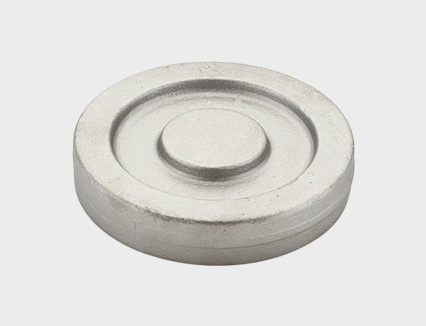
Gear
Where To Use
Used in the tractor gearbox or transmission system to transfer power and control speed and torque between rotating shafts.
Specification
Manufactured from high-grade cast steel / alloy steel
Precision-machined for smooth power transmission
Designed for high torque and continuous load
Wear- and heat-resistant construction
Suitable for tractor transmission and drivetrain applications
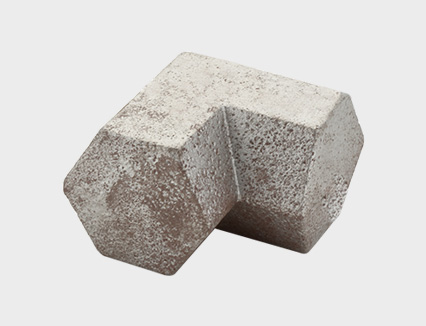
Hydraulic Elbow
Where To Use
Used in the tractor hydraulic system to change the direction of hydraulic oil flow between pipes or hoses at an angle.
Specification
Made from high-strength forged steel / cast steel
Elbow-shaped connector for hydraulic lines
Designed for high-pressure oil flow
Leak-proof and wear-resistant construction
Suitable for tractor hydraulics and agricultural machinery
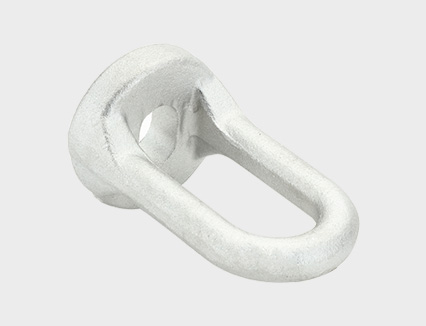
Hook
Where To Use
Used in tractor and agricultural equipment for lifting, pulling, towing or securing chains and implements.
Specification
Made from high-strength forged steel
Heavy-duty hook design with smooth curved profile
Capable of handling high load and pulling force
Wear- and corrosion-resistant finish
Suitable for tractor linkage, towing, and farm operations
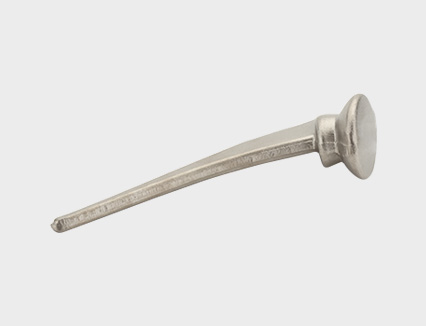
Orthopedic Part
Where To Use
Used in orthopedic surgical procedures for bone fixation and support, commonly as a bone nail / pin to stabilize fractured bones.
Specification
Made from medical-grade stainless steel / titanium alloy
Smooth, precision-machined surface to minimize tissue damage
High strength and biocompatible material
Resistant to corrosion and body fluids
Suitable for temporary or permanent orthopedic implantation
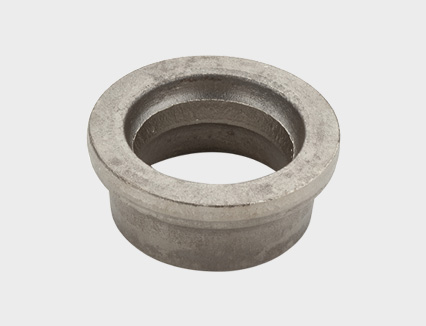
Ring
Where To Use
Used in tractor and agricultural machinery assemblies as a support, spacer or seating ring for shafts, bearings, or housings.
Specification
Made from high-quality cast steel / alloy steel
Precision-machined inner and outer diameter
Provides proper alignment and load distribution
Wear- and corrosion-resistant construction
Suitable for tractor gearbox, axle, and mechanical assemblies
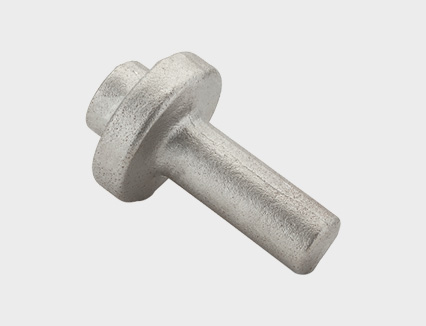
Pin
Where To Use
Used in tractor and agricultural machinery to join, lock, or support moving parts, commonly in linkages, hinges and assemblies.
Specification
Made from high-strength forged steel / alloy steel
Solid cylindrical pin with head for secure locking
Designed to withstand shear load and vibration
Wear- and corrosion-resistant finish
Suitable for tractor linkage, hydraulic, and mechanical assemblies
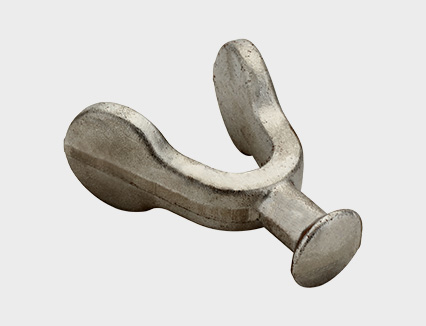
Transmittion Line Part
Where To Use
- Insulator Connection: It connects ball-and-socket type disc insulators to other hardware like yoke plates or tower cross-arms.
- Tension & Suspension: Used in both suspension strings (where the wire hangs) and tension/strain strings (where the wire ends or turns).
Specification
Feature: Typical Specification
Material: High-tensile Forged Steel or Ductile Iron
Finish: Hot-Dip Galvanized (to prevent rust/corrosion)
Mechanical Strength: 45kN, 70kN, or 90kN (depending on conductor type)
Security Pin: Stainless Steel (R-type or W-type locking clip)
Standards: Compliant with IS:2486 or IEC 60120
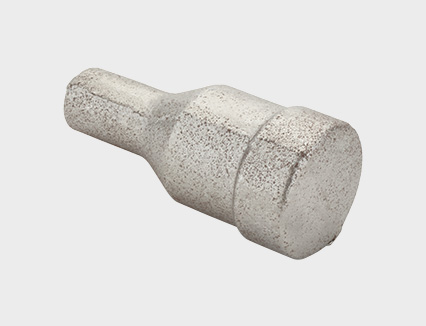
Pin
Where To Use
- Pole/Tower Attachment: The bottom threaded shank of the pin is bolted through the cross-arm of an electric pole or transmission tower.
- Insulator Support: The top "head" of the pin is screwed into the inner cemented thimble of a 33kV Pin Insulator.
Specification
Feature: Specification Details
Material: Forged Mild Steel or Carbon Steel
Finish: Hot-Dip Galvanized for high corrosion resistance
Shank Diameter: 24 mm (Standard for 33kV lines)
Shank Length: Minimum 130 mm for 33kV applications
Mechanical Strength: Minimum failing load of 10 kN