
Our Products
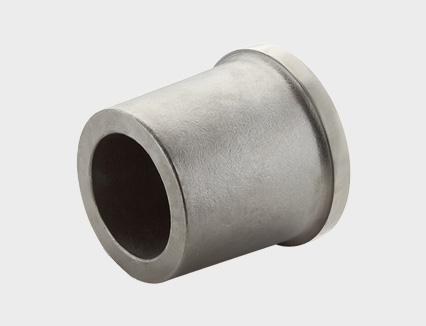
Friction Bush
Where To Use
Used in machinery and mechanical assemblies to reduce friction and wear between moving or rotating shafts—commonly in industrial machines, automotive components, pumps and equipment pivots.
Specification
Type: Friction Bush
Function: Reduces friction, supports smooth rotation
Material: Typically hardened steel or bronze alloy
Shape: Cylindrical with flange (for axial positioning)
Features: High load capacity, wear-resistant, maintenance-friendly
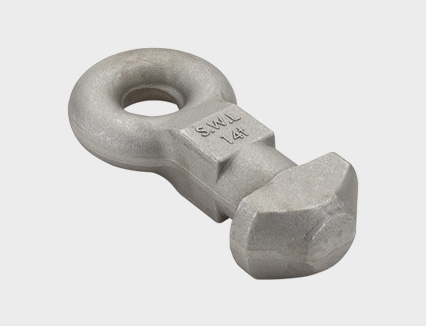
Hook
Where To Use
Used in lifting, rigging, and material-handling applications to securely attach chains, slings, or ropes—commonly in construction sites, workshops, warehouses, cranes and industrial equipment.
Specification
Type: Lifting Hook
Material: Forged steel
Marking: SWL (Safe Working Load) indicated on body
Finish: Natural / shot-blasted metal finish
Design: Solid eye with heavy-duty hook end
Features: High strength, load-bearing, impact resistant, suitable for heavy lifting operations
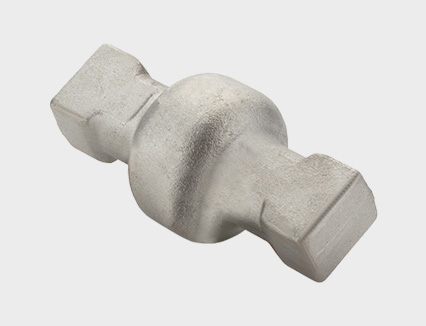
Troque Rod Bar
Where To Use
Used in heavy vehicles and industrial machinery to control torque movement, maintain axle alignment, and reduce vibration—commonly in trucks, trailers, buses and heavy-duty equipment.
Specification
Type: Torque Rod Bar
Function: Controls rotational force and stabilizes axle movement
Material: Forged or cast high-strength steel
Design: Solid bar with reinforced ends for high load resistance
Features: High durability, impact resistant, suitable for heavy torque loads
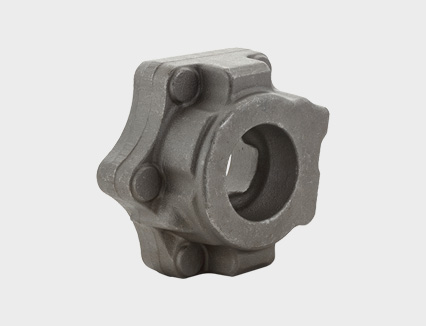
Link Lower
Where To Use
Used in suspension and linkage systems to connect and support moving components —commonly applied in heavy vehicles, agricultural machinery and industrial equipment to maintain stability and proper alignment.
Specification
Type: Lower Link
Function: Supports and transfers load within linkage or suspension systems
Material: Cast or forged high-strength steel
Design: Reinforced body with central bore for shaft or pin fitment
Features: High load-bearing capacity, wear resistant, long service life
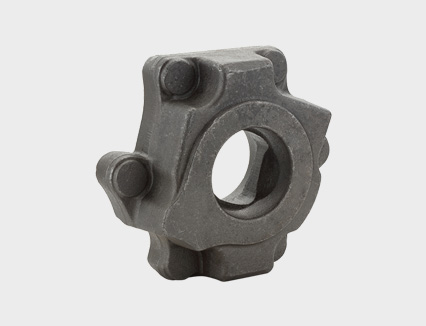
Link Lower
Where To Use
Used in suspension and linkage mechanisms of heavy vehicles and industrial machinery to connect moving parts, support loads, and maintain proper alignment during operation.
Specification
Type: Lower Link Component
Function: Transfers load and motion within suspension or linkage systems
Material: High-strength cast or forged steel
Design: Robust body with precision-machined central bore for pin or shaft mounting
Features: High load capacity, wear resistant, vibration tolerant
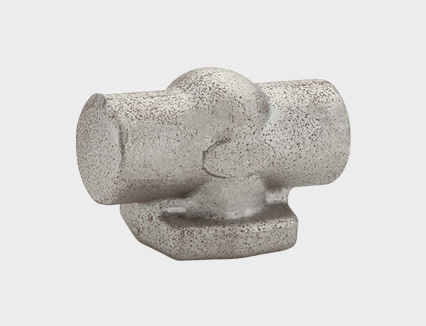
Body
Where To Use
Used as a main structural or connecting body in mechanical assemblies—commonly applied in automotive, agricultural, and industrial machinery to house, support or connect multiple components.
Specification
Type: Mechanical Body / Housing Component
Function: Supports, aligns and connects internal or external parts
Material: Cast iron or cast steel
Design: Solid cast body with integrated connection points
Features: High strength, impact resistant, durable construction
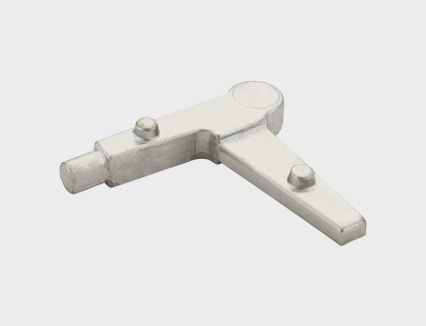
Lever
Where To Use
Used in mechanical and industrial systems to transmit manual or mechanical force for operating, adjusting, or controlling movement—commonly found in machinery, automotive mechanisms and equipment controls.
Specification
Type: Mechanical Lever
Function: Transfers and multiplies applied force
Material: Cast or forged steel
Design: L-shaped solid lever with reinforced contact points
Features: High strength, wear resistant, reliable force transmission
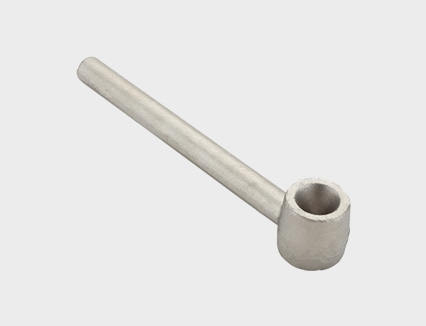
Tie Rod
Where To Use
Used in steering, suspension, and linkage systems to connect components and transmit linear force—commonly applied in vehicles, agricultural machinery and industrial equipment for alignment and controlled movement.
Specification
Type: Tie Rod
Function: Transfers push–pull forces and maintains alignment
Material: Forged or machined high-strength steel
Design: Straight rod with integrated eye/bore end for pin or joint fitment
Features: High tensile strength, wear resistant, durable under load
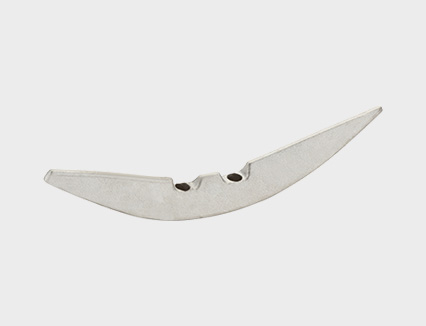
Blade
Where To Use
Used in agricultural and industrial machinery for cutting, leveling, or soil-working operations—commonly fitted in tillers, cultivators, harvesters or similar equipment where durable cutting or guiding action is required.
Specification
Type: Machine Blade
Material: Cast or forged high-strength steel
Design: Curved profile with tapered ends and mounting holes
Finish: Natural / shot-blasted metal finish
Features: High wear resistance, strong impact tolerance, long service life
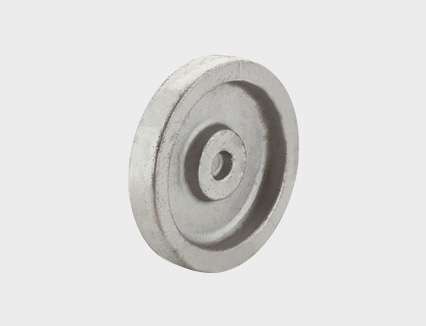
Gear
Where To Use
Used in mechanical power transmission systems to transfer rotational motion and torque—commonly applied in agricultural machines, industrial equipment, gearboxes and automotive assemblies.
Specification
Type: Gear / Gear Wheel
Material: Cast iron or forged steel
Design: Circular gear body with central bore for shaft mounting
Finish: Natural / machined metal finish
Features: High strength, wear resistant, smooth torque transmission
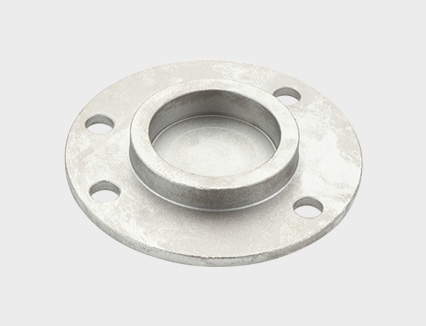
Lever Seat
Where To Use
Used as a mounting or seating component in mechanical and transmission assemblies —commonly applied in gearboxes, lever mechanisms and industrial machinery to support, locate, or secure rotating or moving parts.
Specification
Type: Lever Seat / Mounting Flange
Material: Cast iron or cast steel
Design: Circular flange with raised central hub and bolt holes
Finish: Natural / shot-blasted metal finish
Features: Precise fit, high strength, vibration resistant
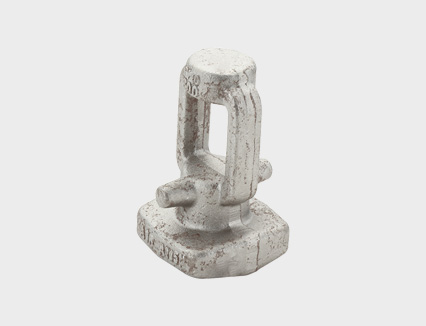
Bonnet
Where To Use
Used in mechanical, agricultural, and industrial assemblies as a locking, holding or protective component—commonly applied in linkage systems, valve mechanisms or equipment fittings to secure or guide moving parts.
Specification
Type: Bonnet / Locking–Holding Component
Material: Cast or forged steel
Design: Compact vertical body with side pins and open slot
Finish: Natural / shot-blasted metal finish
Features: High strength, impact resistant, reliable fit
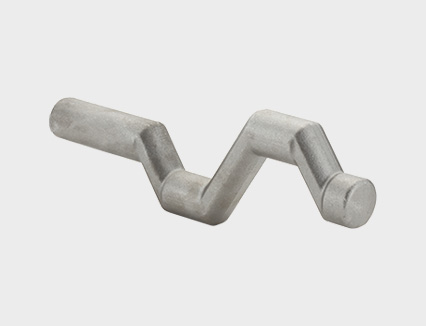
Crank
Where To Use
Used in mechanical and industrial machines to convert rotary motion into linear or oscillating motion, commonly applied in gearboxes, agricultural equipment and manual operating mechanisms.
Specification
Type: Crank / Motion-transfer component
Material: High-strength cast steel or alloy steel
Design: Zig-zag / offset crank shape with cylindrical ends
Finish: Shot-blasted / natural metal finish
Features: High load capacity, wear resistant, precise motion transfer
Tie Rod
Where To Use
Used in mechanical and automotive systems to connect and transmit motion or force between components, commonly applied in steering linkages, suspension systems and industrial machinery assemblies.
Specification
Type: Tie Rod / Linkage Rod
Material: Forged or cast high-strength steel
Design: Bent rod with eye joint on one end and solid rod end on the other
Finish: Shot-blasted / natural metal finish
Features: High tensile strength, wear resistant, accurate force transmission
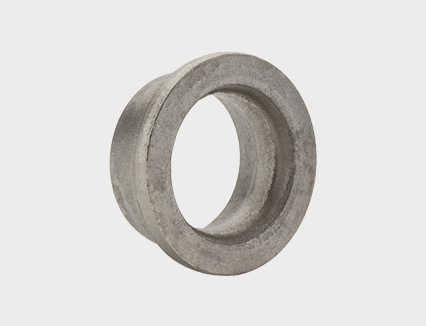
SS Ring
Where To Use
Used as a spacer, sealing ring, or support ring in mechanical assemblies, valves, pumps and industrial equipment to maintain alignment, spacing, or sealing between components.
Specification
Type: SS Ring / Spacer Ring
Material: Stainless Steel
Design: Circular ring with precision inner and outer diameter
Finish: Machined / natural metal finish
Features: Corrosion resistant, high strength, long service life